
How to Count Calories: A Beginner's Guide
How to Count Calories: A Beginner’s Guide to Tracking Food and Reaching Your Goals
If you’ve ever searched for weight loss advice, you’ve probably heard the phrase “count your calories.”
But what does calorie counting actually mean? Do you need to weigh every single piece of food? Can you still eat your favorite meals? And how do you know how many calories you should eat each day?
The good news: calorie counting is much simpler than it sounds.
At its core, calorie counting is about understanding how much energy you get from food and how that fits with your personal goals. It’s not about restricting yourself or following a perfect diet. It’s a tool to help you become more aware of your eating habits and make better decisions.
Whether your goal is to lose weight, gain muscle, maintain your current weight, or simply build healthier habits, this beginner’s guide will teach you everything you need to know about how to count calories.
What Are Calories?
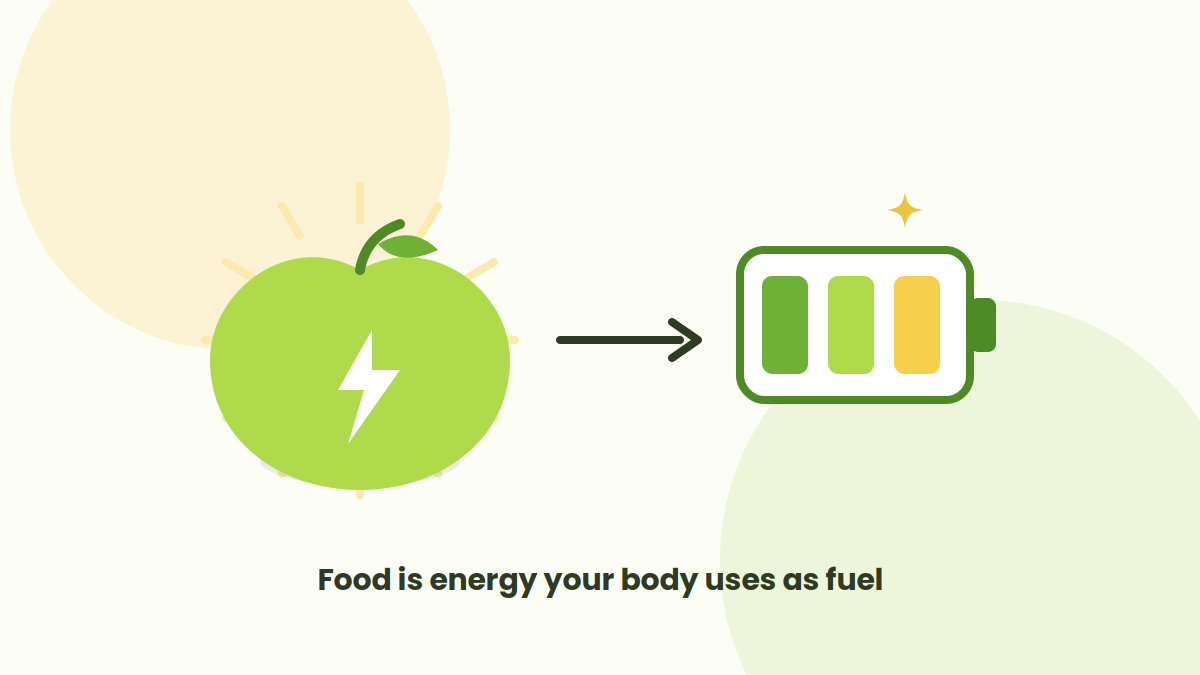
A calorie is a unit of energy.
Your body needs energy every day to perform basic functions like breathing, keeping your heart beating, digesting food, and moving your body.
The calories you consume come from the foods and drinks you have throughout the day. Your body then uses those calories as fuel.
Different foods contain different amounts of calories:
- Protein: 4 calories per gram
- Carbohydrates: 4 calories per gram
- Fat: 9 calories per gram
- Alcohol: 7 calories per gram
Understanding calories helps you see how different foods contribute to your overall daily intake.
Why Do People Count Calories?
People count calories for many different reasons.
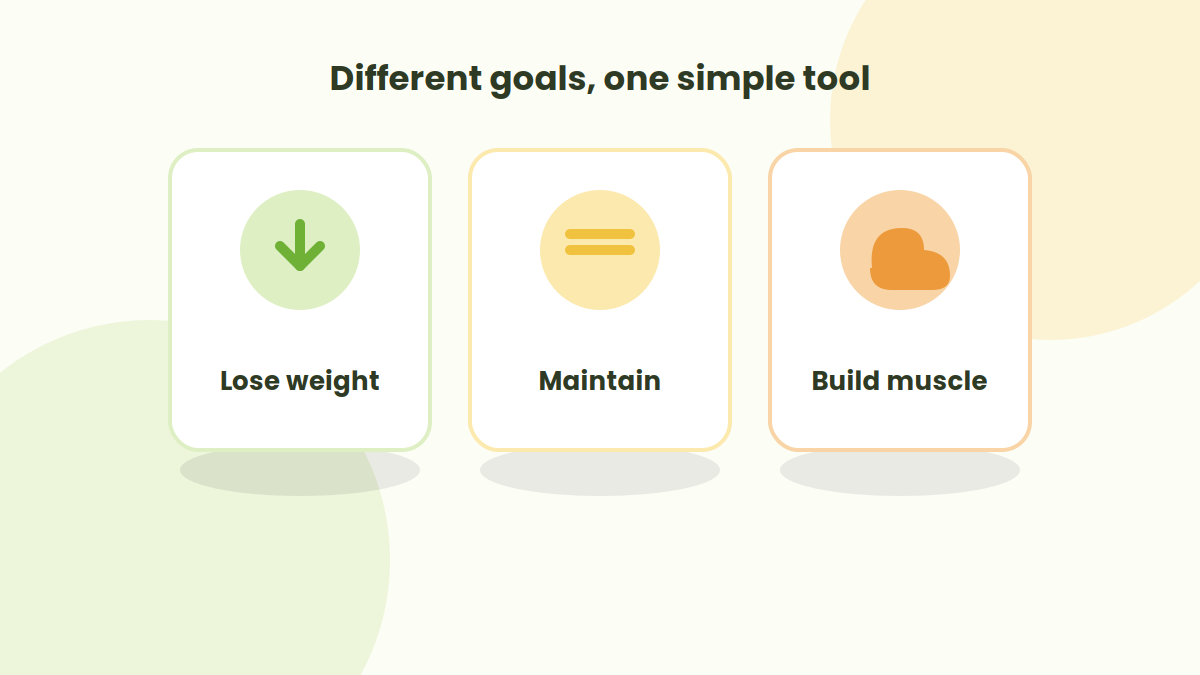
The most common goals include:
Weight Loss
To lose weight, your body generally needs to use more energy than you consume. This is called a calorie deficit.
A calorie deficit means eating fewer calories than your body burns, which encourages your body to use stored energy.
Weight Maintenance
Some people track calories to maintain their current weight and understand how much food their body needs.
Muscle Growth
People trying to build muscle often track calories and protein intake to make sure they are eating enough to support training and recovery.
Better Nutrition Awareness
Many beginners use calorie tracking as a learning tool. It can reveal eating patterns you may not notice, such as:
- Eating larger portions than expected
- Forgetting snacks between meals
- Drinking calories without realizing it
- Not eating enough protein or fiber
How Many Calories Should I Eat Per Day?
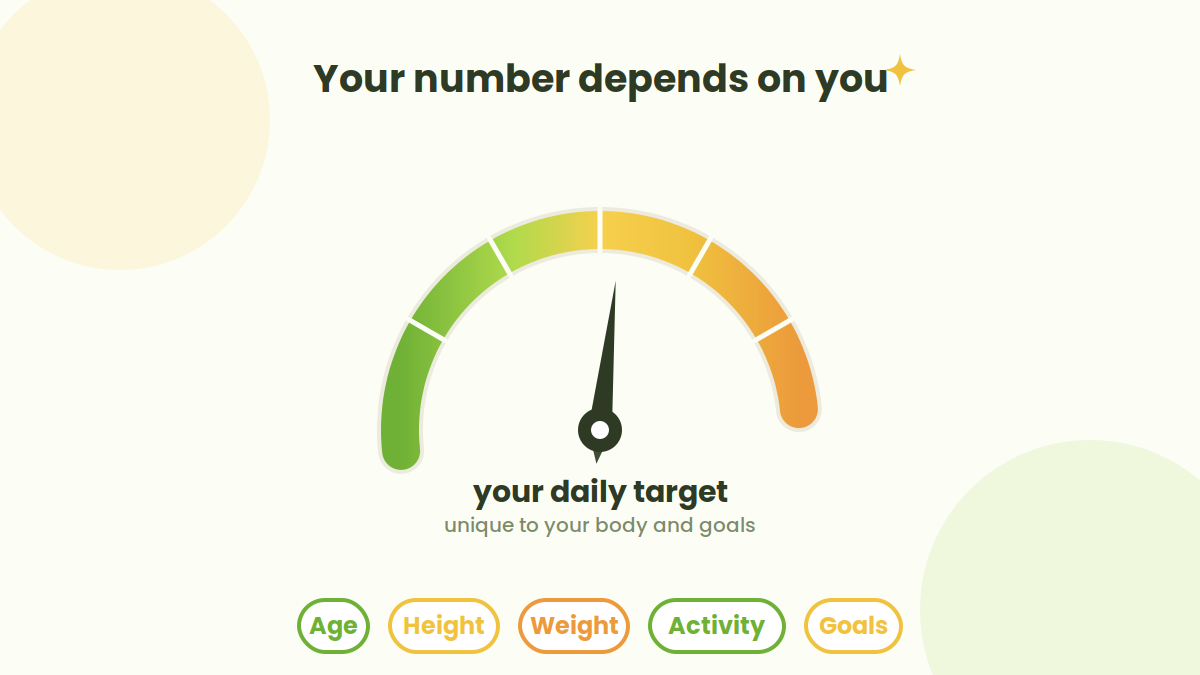
There is no single calorie number that works for everyone.
Your daily calorie needs depend on several factors:
- Age
- Height
- Weight
- Activity level
- Body composition
- Personal goals
For example, someone who works out five times a week will usually need more calories than someone with a mostly sedentary lifestyle.
A calorie target is simply a starting point. As you track your progress, you can adjust based on how your body responds. A free TDEE calculator can help you estimate your daily calorie needs from your age, height, weight, and activity level.
How to Start Counting Calories: A Step-by-Step Guide
Step 1: Set Your Goal
Before tracking your food, decide what you want to achieve.
Are you trying to:
- Lose weight?
- Gain muscle?
- Maintain your weight?
- Improve your eating habits?
Your goal determines how you approach calorie tracking.
Remember: the goal is not to eat as little as possible. The goal is to understand what your body needs.
Step 2: Track Everything You Eat and Drink
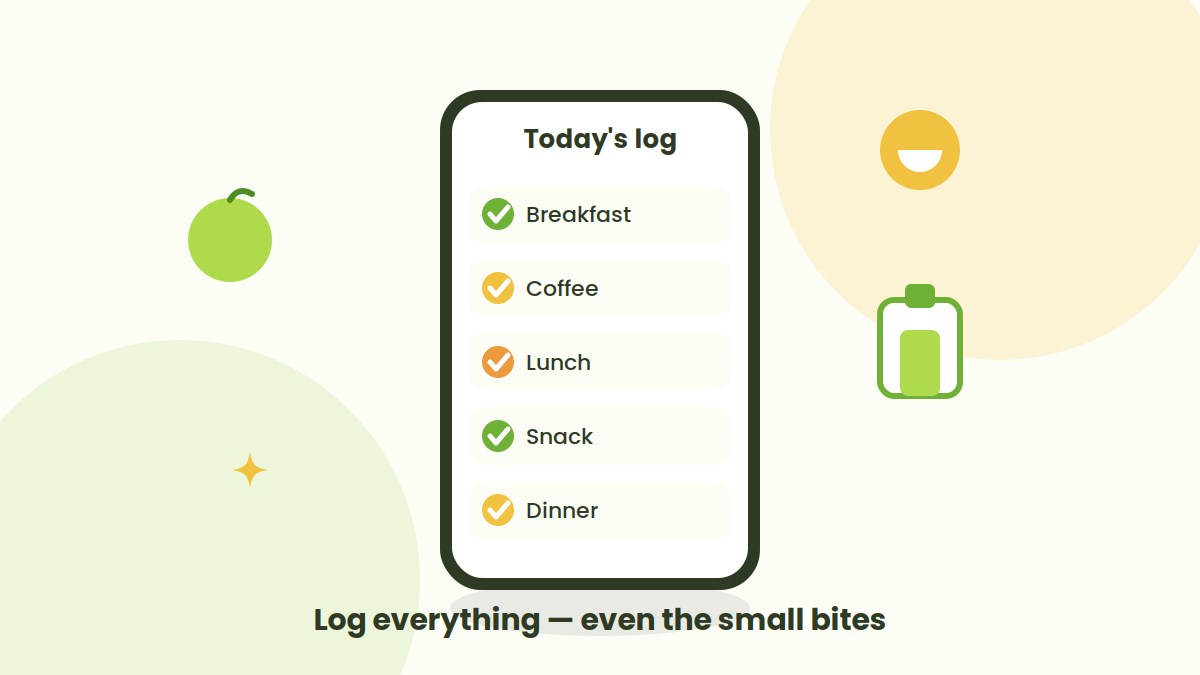
The easiest way to start counting calories is to record everything you consume.
This includes:
- Breakfast, lunch, and dinner
- Snacks
- Drinks
- Cooking oils
- Sauces and dressings
- Small bites while cooking
Many people underestimate their daily intake because they forget about small additions that can add up over time.
For example, a tablespoon of cooking oil, a handful of nuts, or a sweet coffee drink can significantly increase your daily calories.
Step 3: Learn Proper Portion Sizes
One of the biggest challenges for beginners is understanding portion sizes.
A serving size written on packaging may look smaller than what you usually eat.
For example:
- A bowl of cereal may contain multiple servings
- A “small handful” of nuts can easily become two servings
- A restaurant meal may contain more than one portion
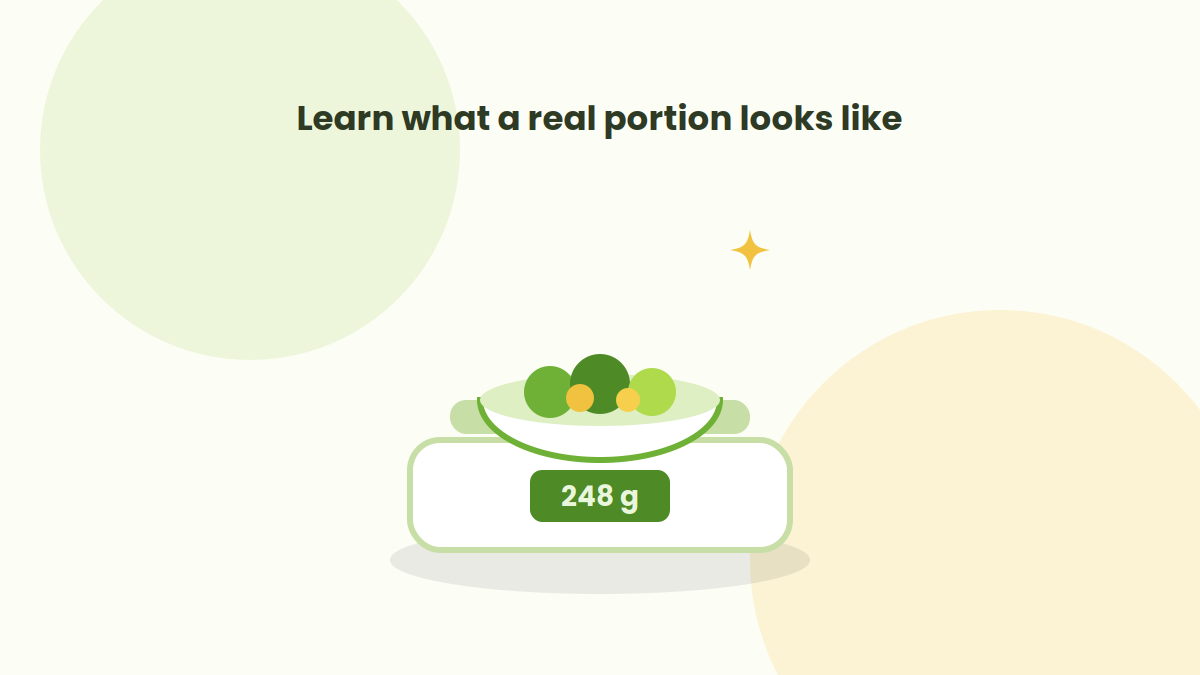
Using a food scale can help you learn what different portions actually look like.
You don’t necessarily need to weigh every meal forever. Many people use a food scale at the beginning to build awareness and improve their ability to estimate portions.
Step 4: Pay Attention to Macronutrients
Calories are important, but they are not the only thing that matters.
Macronutrients are the three main nutrients your body needs:
Protein
Protein supports muscle growth, recovery, and helps you feel full.
Sources include:
- Chicken
- Fish
- Eggs
- Greek yogurt
- Tofu
- Beans
Carbohydrates
Carbohydrates provide energy for your daily activities and workouts.
Sources include:
- Rice
- Potatoes
- Fruits
- Oats
- Whole grains
Fat
Healthy fats support hormones, brain function, and overall health.
Sources include:
- Olive oil
- Avocado
- Nuts
- Seeds
- Fatty fish
A balanced diet focuses on both calories and nutrition quality.
Best Practices for Calorie Counting Beginners
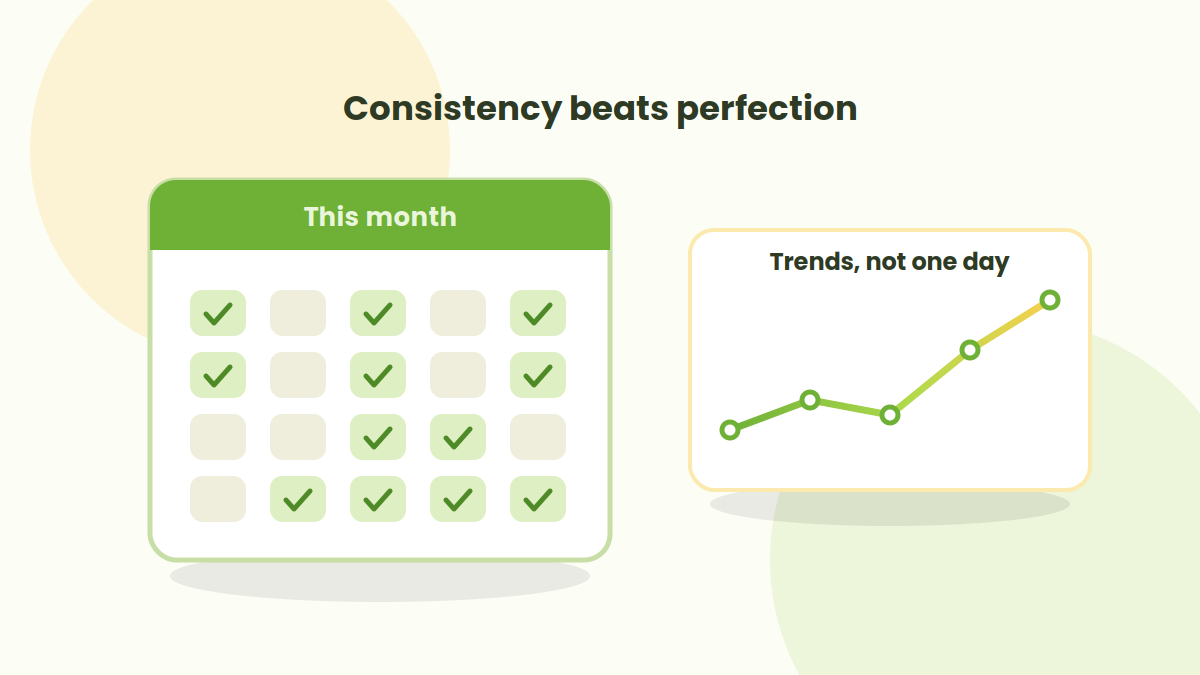
1. Be Consistent, Not Perfect
Your calorie tracking does not need to be 100% accurate every day.
The most important thing is building the habit.
Tracking consistently for several weeks will teach you more than tracking perfectly for only a few days.
2. Log Your Food Before You Forget
Many beginners wait until the end of the day to track their meals.
This often leads to forgotten foods and inaccurate estimates.
Try logging meals shortly after eating or preparing them.
3. Focus on Trends, Not One Day
Your progress is determined by your overall habits, not one meal.
Eating more calories than planned one day does not ruin your progress.
Look at your weekly patterns instead.
4. Don’t Make Your Calorie Goal Too Low
A common mistake is trying to lose weight as quickly as possible by drastically cutting calories.
Eating too little can lead to:
- Low energy
- Increased hunger
- Difficulty maintaining your diet
- Overeating later
Sustainable habits usually create better long-term results.
Common Calorie Counting Mistakes
Forgetting Drinks
Coffee drinks, smoothies, alcohol, juice, and soft drinks can contribute more calories than people expect.
Ignoring Cooking Ingredients
Oil, butter, sauces, and dressings are often forgotten when tracking meals.
Guessing Every Portion
Estimating is okay, but occasionally measuring food can improve your accuracy. Read more on why weighing is more accurate here.
Giving Up After One High-Calorie Meal
One meal does not determine your results.
Consistency over time matters more than being perfect every day.
Do You Need a Calorie Counting App?
You can count calories using a notebook, spreadsheet, or app.
However, many people choose a calorie tracking app because it makes the process faster and easier.
A good calorie counting app can help you:
- Track meals quickly
- Calculate calories automatically
- Monitor protein, carbs, and fat
- Save frequently eaten meals
- Understand your progress over time
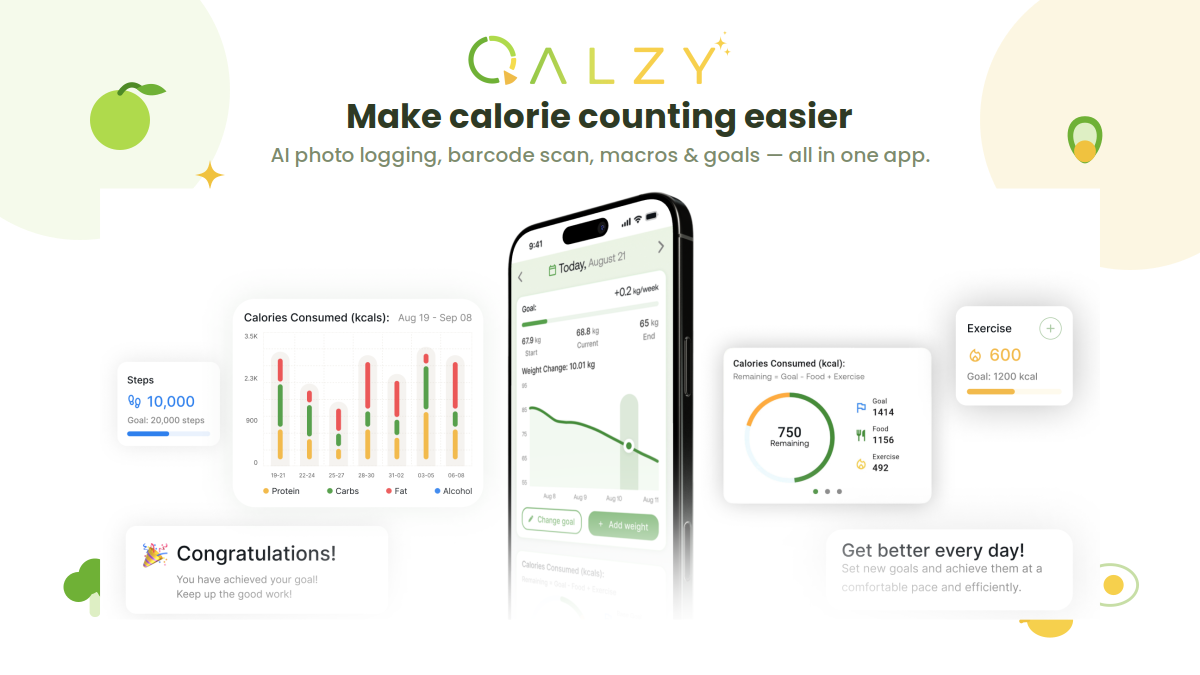
The right tools can make tracking even more convenient. If you’re deciding how to measure and log your food, read our guide comparing a digital calorie scale vs. a traditional kitchen scale to find out which option better suits your routine. Qalzy makes calorie tracking simpler with AI meal scanning, barcode and nutrition label scanning, personalized nutrition targets, and progress insights - all in one app. Visit qalzy.com to learn more and download the Qalzy app to start tracking.
How Qalzy Makes Calorie Counting Easier
Once you understand the basics of calorie counting, the next challenge is making it part of your daily routine.
This is where Qalzy helps simplify the process.
Instead of manually searching for every ingredient, Qalzy helps you track your meals with features designed to make nutrition tracking faster:
- AI meal recognition to identify foods from photos
- Barcode scanning for packaged foods
- Recipe tracking for homemade meals
- Personalized calorie and nutrition goals
- Macro tracking for protein, carbohydrates, and fats
- Progress insights to help you understand your habits
The best calorie tracking method is the one you can consistently follow. If you’re ready to get started, read our step-by-step guide on How to Use the Qalzy App. It walks you through setting your goals, logging your first meal, tracking your progress, and using Qalzy’s key features.
Frequently Asked Questions About Calorie Counting
Is calorie counting necessary to lose weight?
No. Some people lose weight without tracking calories. However, calorie counting can help increase awareness and make it easier to understand your eating habits.
Is calorie counting unhealthy?
For most people, calorie counting is simply a tool for learning about nutrition. It should support your goals, not create stress or guilt.
Do I have to stop eating my favorite foods?
No. A balanced approach allows you to enjoy your favorite foods while staying aware of your overall intake.
How long should I count calories?
There is no required timeline. Some people track for a few weeks to learn portion sizes, while others continue because they enjoy having more awareness.
What is the easiest way to count calories?
The easiest method is the one you can maintain consistently. Many beginners find that using a calorie tracking app makes logging faster and more convenient.
Final Thoughts: Start Small and Stay Consistent
Learning how to count calories is not about creating a perfect diet.
It’s about understanding your food choices, learning what works for your body, and building habits that support your goals.
Start by tracking your meals, learning your portions, and focusing on consistency.
Small changes repeated over time can create meaningful results.
Qalzy account data from 9 August to 9 October 2026 showed the same pattern: people with a linked scale logged meals more consistently than people using the app only, and they recorded greater median weight loss alongside it. These figures describe associations from real-world use, not a controlled trial. Read the clinical study.
When you’re ready to make calorie tracking easier, Qalzy helps simplify the process by bringing food tracking, nutrition insights, and personalized goals together in one place.
Your health journey doesn’t need to be complicated. It just needs a place to start.